


Essential Oils and Fragrance Oils for Relaxation and Premium Spaces: A Practical Guide
Essential oils and fragrance oils for relaxation differ in composition, dilution requirements, and performance across diffusion environments. Essential oils are 100% botanical extracts. Fragrance oils are synthetic or blended aromatic compounds formulated for consistent scent output across a wider range of applications. Both are used in hotels, spas, corporate offices, and wellness environments to shape mood, reduce stress, and strengthen space identity. This guide covers the top oils for relaxation, their properties, application methods, and fragrance strategies for premium commercial spaces.
What Are Essential Oils for Relaxation and How Do They Work?
Essential oils for relaxation are concentrated plant extracts that interact with the limbic system through inhalation. The limbic system controls emotional response, memory, and autonomic functions including heart rate and cortisol production. When inhaled, aromatic compounds trigger neurological responses that reduce perceived stress and promote calm.
A 2021 review published in the Journal of Alternative and Complementary Medicine found that lavender essential oil reduced anxiety scores in 34 out of 41 clinical studies reviewed. Bergamot and chamomile produced consistent calming effects in 7 of 10 controlled studies measuring cortisol levels and self-reported stress.
Essential oils for relaxation are classified by their primary action on the nervous system:
-
- Sedative oils reduce alertness and promote sleep. Examples include lavender, chamomile, and vetiver.
-
- Anxiolytic oils reduce anxiety without causing drowsiness. Examples include bergamot, rose, and frankincense.
-
- Grounding oils reduce mental chatter and promote focus. Examples include sandalwood, cedarwood, and patchouli.
What Are the Top 5 Essential Oils Used for Relaxation in Professional Spaces?
These 5 essential oils appear most frequently in published research on relaxation and are the most commonly specified in hotel, spa, and wellness fragrance programs:
1. Lavender Essential Oil
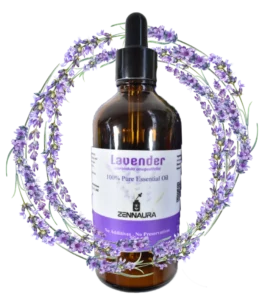
Lavender essential oil contains linalool and linalyl acetate as its primary active compounds. These interact with GABA receptors in the brain, producing sedative and anxiolytic effects. In clinical settings, lavender reduces anxiety, improves sleep onset, and lowers heart rate. It is the most documented essential oil in relaxation research with over 80 published human trials. In commercial spaces, lavender is used in guest room diffusers, spa treatment rooms, and bedding linen sprays. Candle makers and product manufacturers looking to source it for commercial applications can browse pure lavender essential oil from verified UAE suppliers to compare GC test data and botanical origin.
2. Bergamot Essential Oil
Bergamot essential oil is cold-pressed from the rind of Citrus bergamia fruit grown primarily in Calabria, Italy. Its primary compound, linalool, produces anxiolytic effects. Unlike most citrus oils, bergamot has both uplifting and calming properties, making it suitable for reception areas, lobbies, and office environments where neutral alertness is preferred. A 2015 study in Phytotherapy Research found that bergamot inhalation reduced salivary cortisol levels and heart rate within 15 minutes in a controlled sample of 41 participants.
3. Chamomile Essential Oil
Roman chamomile essential oil is distilled from the flowers of Anthemis nobilis. Its primary compound, isobutyl angelate, produces muscle-relaxing and mildly sedative effects. Chamomile is used in sleep-support blends, massage environments, and quiet room diffusion programs. It blends well with lavender and bergamot for layered relaxation applications. Steam distillation yield for chamomile is low, making it one of the higher-cost essential oils in the relaxation category.
4. Sandalwood Essential Oil
Sandalwood essential oil contains alpha-santalol and beta-santalol as primary compounds, which have demonstrated sedative effects in studies measuring EEG activity during inhalation. In commercial environments, sandalwood is used in luxury hotel lobbies, premium retail spaces, and executive boardrooms because it produces a warm, woody base note with a long diffusion lifespan. Mysore sandalwood from India and Australian sandalwood are the two primary commercial varieties, differing in alpha-santalol concentration and scent profile.
5. Ylang Ylang Essential Oil
Ylang ylang essential oil is distilled from the flowers of Cananga odorata and contains benzyl acetate and linalool as primary active compounds. It reduces heart rate and blood pressure through parasympathetic activation. In commercial diffusion programs, ylang ylang is used in small concentrations, typically below 5% in a blend, because its scent is intense. It blends well with citrus and woody notes to create balanced premium room fragrances.
What Is the Difference Between Essential Oils and Fragrance Oils for Premium Spaces?
Essential oils and fragrance oils serve different functions in commercial space fragrance programs. Understanding the difference affects purchasing decisions, diffusion equipment selection, and scent longevity.
| Essential Oils | Fragrance Oils |
| 100% botanical extracts | Synthetic or blended aromatic compounds |
| Higher cost per kilogram | Lower cost, wider availability |
| Therapeutic properties documented | Consistent scent, wider variety |
| Lower scent throw in large spaces | Stronger throw in HVAC diffusion |
| Shorter diffusion lifespan | Longer-lasting scent release |
| Requires IFRA data for skin use | IFRA certified for use category |
Hotels and commercial spaces with large footprints typically use fragrance oils in HVAC diffusion systems because of their stronger scent throw and longer diffusion lifespan. Essential oils are preferred in smaller wellness environments, treatment rooms, and private suites where therapeutic properties are a purchase driver. Businesses sourcing both oil types benefit from working with a supplier that carries essential oils and fragrance oils for commercial diffusionfrom a single verified source, which reduces documentation overhead and simplifies compliance management.
How Are Essential Oils and Fragrance Oils Used in Hotels and Professional Spaces?
Professional fragrance application in hotels, offices, and wellness spaces uses 4 primary delivery methods. Each method produces a different scent distribution pattern and is suited to different space sizes and user experiences:
Ultrasonic Diffusers
Ultrasonic diffusers use high-frequency vibration to break water and oil into a fine mist. They are suitable for rooms between 20 and 60 square metres. Output concentration is low, making them appropriate for bedroom suites, spa treatment rooms, and small reception areas. Most ultrasonic diffusers accept both essential oils and water-soluble fragrance oils. Recommended concentration is 5 to 8 drops per 100ml water for medium room sizes.
HVAC Cold-Air Diffusion Systems
Cold-air diffusion systems atomise undiluted fragrance oils into micro-particles and distribute them through HVAC ductwork. They are used in hotel lobbies, retail spaces, airports, and large commercial interiors. These systems require fragrance oils with low viscosity and confirmed compatibility with atomising nozzle specifications. Undiluted essential oils with high wax content, such as rose absolute, are not suitable for cold-air diffusion without prior testing.
Reed Diffusers
Reed diffusers use capillary action to release fragrance oil through porous reeds. They are used in hotel bathrooms, elevator lobbies, and small reception desks where powered diffusion is impractical. Scent radius is limited to approximately 10 to 15 square metres. Fragrance oil concentration in the carrier liquid is typically 20 to 30% by volume for commercial reed diffuser products.
Scented Candles
Scented candles are used in hotel room amenity programs, spa environments, and restaurant table settings. They provide localised scent distribution within 10 to 20 square metres. Candle-grade fragrance oils at 7 to 9% fragrance load in soy or blended wax produce the most consistent hot throw for commercial applications. For hotel amenity programs, IFRA compliance documentation is required before bulk purchasing.
Which Fragrance Profiles Work Best for Different Premium Space Types?
Fragrance selection for premium spaces depends on the psychological effect required, the demographic using the space, and the brand identity the fragrance is intended to reinforce. These 4 profiles cover the most common commercial applications:
Hotel Lobbies and Reception Areas
Hotel lobbies require a fragrance that communicates cleanliness, welcomes guests, and is neutral enough to avoid polarising first impressions. Fresh citrus and aquatic blends perform best in this context. Bergamot, lemon, and ocean-type fragrance oils produce an immediate perception of cleanliness and openness. Scent fatigue is lower with fresh profiles than with heavy resinous blends, which is important in high-traffic areas where guests experience the fragrance multiple times per stay.
Spa and Wellness Treatment Rooms
Spa treatment rooms require sedative and anxiolytic fragrance profiles to support therapeutic outcomes. Lavender, chamomile, and sandalwood are the most specified oils in spa fragrance programs globally. Concentration should be kept at the lower end of the recommended diffusion range because clients spend extended periods in the space and high concentration causes headaches or scent fatigue. Blend ratios of 60% lavender, 20% bergamot, and 20% sandalwood are commonly used in European spa certification standards.
Corporate Offices and Executive Spaces
Office fragrance programs prioritise alertness and reduction of stress without causing drowsiness. Citrus, light herbal, and woody note profiles perform well in this context. Bergamot, lemongrass, and cedarwood are commonly specified. Peppermint and rosemary are used in focus-intensive areas because their compounds have demonstrated effects on cognitive performance in multiple controlled studies. Concentration in office diffusion should be kept at 3 to 5 drops per 100ml to avoid sensory overload across a full working day.
Retail Environments and Luxury Boutiques
Retail fragrance programs use scent to extend dwell time and reinforce brand identity. Research from Washington State University found that complex multi-note fragrances increased customer dwell time by an average of 32% compared to unscented environments. Luxury boutiques in the UAE commonly use oud, amber, and woody oriental blends to create a premium sensory signature aligned with regional scent preferences.
How Do You Build a Relaxation Blend Using Essential Oils for Professional Use?
Essential oil blends for commercial relaxation applications are built using a top, middle, and base note structure. Each note has a different evaporation rate, which determines how the scent profile develops over time during diffusion.
-
- Top notes evaporate first and create the initial impression. Examples include bergamot, lemon, and sweet orange. These last 15 to 30 minutes in active diffusion.
-
- Middle notes form the main body of the blend and last 30 to 60 minutes. Examples include lavender, ylang ylang, and chamomile.
-
- Base notes anchor the blend and last 60 minutes or longer. Examples include sandalwood, cedarwood, vetiver, and frankincense.
A standard relaxation blend for hotel or spa use combines these 3 layers in a ratio of 20% top notes, 50% middle notes, and 30% base notes. For example, bergamot at 20%, lavender at 50%, and sandalwood at 30% produces a well-balanced calming blend with consistent diffusion performance over a 60 to 90 minute cycle. Businesses looking to formulate signature blends can browse carrier oils and essential oils for aromatherapy blending to review base oil compatibility and dilution ratios before development.
Why Do Hotels and Wellness Brands in UAE Source Fragrance and Essential Oils from Zennaura?
Zennaura supplies essential oils, fragrance oils, and absolute oils to hotels, wellness brands, candle makers, and cosmetic formulators across the UAE and internationally. All products are GC-tested, IFRA-certified, and supplied with full safety data sheets and allergen documentation.
For commercial buyers, Zennaura offers 4 practical advantages over generic fragrance suppliers:
-
- All products are supplied with GC test reports, IFRA certificates, SDS, and allergen declarations as standard, removing documentation overhead for commercial buyers
-
- Oils are available in 30ml, 100ml, 250ml, 500ml, and 1-litre quantities, supporting both sampling programs and bulk production orders
-
- The product range covers essential oils, fragrance oils, absolutes, and carrier oils from a single source, simplifying supplier management for businesses formulating multiple product types
-
- Custom blending consultation is available for hotels and brands developing a signature scent identity
Hotels, spas, and wellness businesses developing a space fragrance program can explore the fragrance oil range for hotels and premium spaces or contact the team to discuss a custom blending brief.
Frequently Asked Questions About Essential Oils for Relaxation and Premium Spaces
What is the most effective essential oil for relaxation?
Lavender essential oil is the most clinically documented essential oil for relaxation. It reduces anxiety scores, lowers heart rate, and improves sleep onset in over 80 published human trials. Bergamot is the second most cited anxiolytic essential oil in peer-reviewed research.
Can I use essential oils in an HVAC diffusion system?
Most essential oils can be used in cold-air HVAC diffusion systems if they have low viscosity and no waxy content. Oils such as rose absolute and benzoin are not suitable for atomising nozzles without prior dilution. Fragrance oils formulated for cold-air diffusion are generally more reliable in HVAC systems than undiluted essential oils.
What concentration should I use for essential oils in a hotel room?
Hotel room ultrasonic diffusers should use 5 to 8 drops of essential oil per 100ml water for a medium room of 20 to 40 square metres. For larger suites above 60 square metres, a cold-air diffusion system with professional-grade fragrance oil is more effective than an ultrasonic unit.
Do fragrance oils have the same therapeutic properties as essential oils?
No. Fragrance oils are formulated for consistent scent performance, not therapeutic effect. They do not contain the active botanical compounds responsible for the documented physiological effects of essential oils. For therapeutic applications, only pure essential oils with confirmed botanical origin and GC test documentation should be used.
How do I choose a fragrance for a hotel lobby versus a spa?
Hotel lobbies use fresh, citrus-based fragrances that communicate cleanliness and neutrality for high-traffic environments. Spas use sedative profiles such as lavender, chamomile, and sandalwood to support therapeutic outcomes. Concentration is lower in spas because clients spend extended time in the space.
Choosing Essential Oils and Fragrance Oils for Relaxation Requires Understanding Both Chemistry and Space Function
Essential oils and fragrance oils for relaxation are not interchangeable. Essential oils produce documented physiological effects through botanical compounds that interact with the nervous system. Fragrance oils deliver consistent, long-lasting scent output across larger spaces and diffusion systems. The right choice depends on space size, diffusion method, therapeutic intent, and the compliance documentation required for commercial use.
For hotels, spas, and wellness brands in the UAE, the most effective fragrance programs combine both oil types: essential oils in treatment rooms and private suites where therapeutic properties are a priority, and fragrance oils in lobbies, retail floors, and HVAC-diffused common areas where scent consistency and projection matter most.
Zennaura supplies both essential oils and fragrance oils for commercial applications across the UAE, with full GC testing, IFRA certification, and safety documentation included with every order. For businesses developing a signature scent program or sourcing oils for a specific space application, explore the complete product range or contact Zennaura to discuss requirements.