

Essential Oils for Spa and Wellness Centers: How to Select the Right Oils for Every Service
Spa and wellness centers use essential oils across massage, facial, diffusion, and body treatment services. Each service type requires a different oil profile based on therapeutic purpose, skin compatibility, and inhalation safety. This guide covers the selection criteria, service-specific oil choices, and sourcing standards that matter most to spa operators.
What Are Essential Oils Used for in Spa and Wellness Settings?
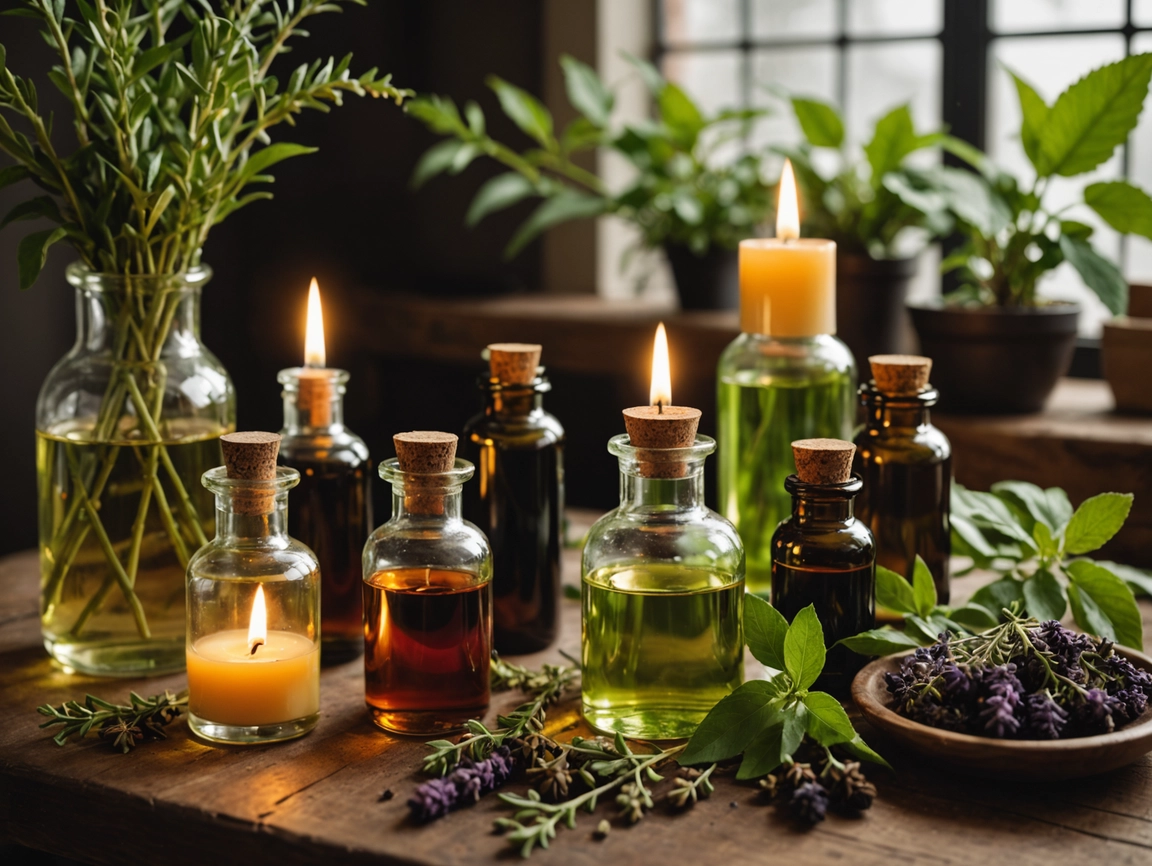
Essential oils used in spa settings are concentrated plant extracts applied for therapeutic, aromatic, and sensory purposes. A 2020 study published in the International Journal of Environmental Research and Public Health found that aromatherapy reduced perceived stress scores by 28% in spa participants over a 4-week period. Spas apply essential oils in 4 primary ways:- Topical application via massage or facial treatments, always diluted in a carrier oil
- Diffusion in treatment rooms, reception areas, and relaxation lounges
- Steam inhalation in steam rooms, saunas, or inhalation therapy services
- Bath and body products including scrubs, wraps, and soaks
Which Essential Oils Work Best for Massage Therapy Services?
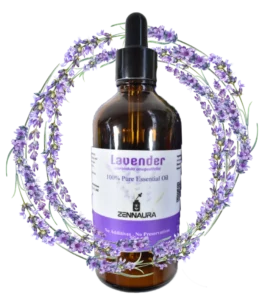
The 5 essential oils most commonly used in professional massage therapy are lavender, sweet marjoram, black pepper, ginger, and eucalyptus. Each targets a different physiological outcome. Lavender (Lavandula angustifolia) is used in relaxation massage for its calming effect on the autonomic nervous system. Research from the University of Miami School of Medicine confirmed that lavender inhalation lowered cortisol levels by 19% in study participants. Sweet marjoram is chosen for muscle tension and sports massage due to its antispasmodic properties. Black pepper and ginger are applied in warming treatments to increase local circulation before deep tissue work. Dilution is a critical factor in massage application. The International Fragrance Association (IFRA) recommends a maximum dermal limit of 1% to 3% concentration for body massage oils. Spa operators who source IFRA-certified essential oils receive full documentation confirming each oil meets these dermal safety limits.What Essential Oils Are Safe to Use in Facial and Skin Treatments?
Facial treatments require essential oils with low dermal sensitization potential and verified GC/MS testing results. 6 essential oils appear consistently in professional facial protocols: frankincense, rose, neroli, geranium, chamomile, and carrot seed. Frankincense (Boswellia carterii) is used in anti-aging facials for its documented effect on skin cell regeneration. A 2016 study in the Journal of Traditional and Complementary Medicine found that boswellic acids supported collagen synthesis in controlled dermal tissue samples. Rose and neroli are selected for dehydrated and sensitive skin types. Geranium is used to balance sebum production in combination skin protocols. Phototoxic oils are not used in daytime facial services. Oils such as cold-pressed bergamot, lemon, and grapefruit contain furanocoumarins that react with UV light and increase skin sensitization risk. Bergamot FCF (furanocoumarin-free) is the alternative used in professional-grade formulations.How Do Spa Operators Select Essential Oils for Diffusion and Signature Scenting?
Diffusion in a commercial spa environment requires oils assessed for inhalation safety at the concentration levels used in enclosed spaces. IFRA sets inhalation exposure guidelines that professional-grade oil suppliers provide with each batch. Spa operators build signature scent profiles around 3 note categories: top notes (fast-evaporating, first impression), middle notes (the body of the blend), and base notes (long-lasting, grounding). A standard ambient blend uses a ratio of approximately 30% top, 50% middle, and 20% base by volume. Common selections by note category:- Top notes: bergamot FCF, lemon eucalyptus, grapefruit (steam-distilled)
- Middle notes: lavender, geranium, clary sage, ylang ylang
- Base notes: cedarwood, sandalwood, frankincense, vetiver, patchouli
What Should Spa Owners Look for When Sourcing Essential Oils from a Supplier?
Spa operators sourcing essential oils for professional use require suppliers who provide 4 types of documentation: GC/MS test reports, IFRA compliance certificates, allergen declarations, and safety data sheets (SDS). Key criteria when evaluating an essential oil supplier:- GC/MS testing: confirms the chemical composition and rules out adulteration or synthetic extension
- IFRA certification: confirms the oil meets safe usage thresholds for each application category
- Allergen declaration: required for professional and retail use in UAE and EU regulated markets
- Batch consistency: documented lot numbers and re-test schedules ensure each order performs identically
- Sourcing transparency: country of origin and extraction method affect both quality and compliance